The Race – Ironman with T1D
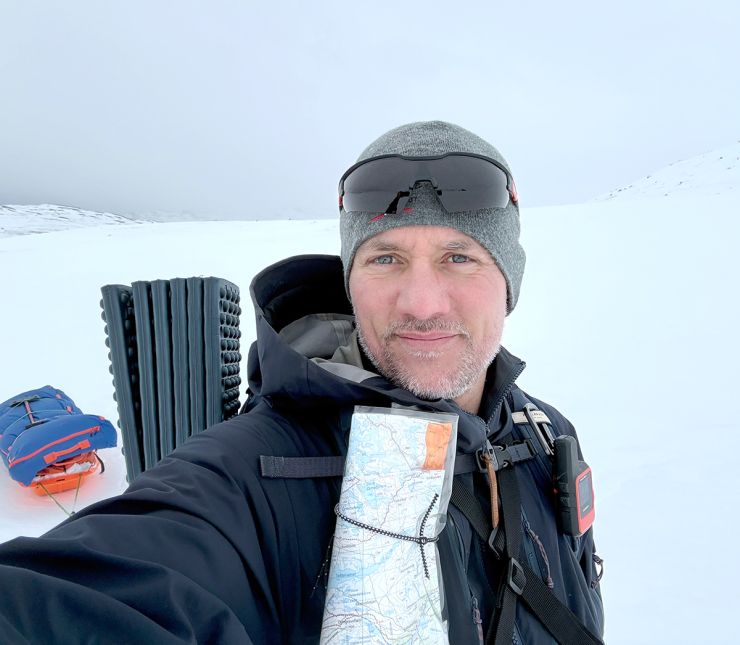
Christian Ramsgaard – Founder of Diabetic Adventurers Club
Type 1 diabetic since 2000 · Arctic ski expeditions · Hunter · Published cookbook author
| T1D since | Coldest expedition | Longest pulk trip | Books published |
|---|---|---|---|
| 2000 | –25°C, Svalbard | 8 days | 3 (+ Swedish & German editions) |
I refuse to be defined by Type 1 diabetes
I was born in 1978 and diagnosed with Type 1 diabetes on an August day in 2000, when I was 22. Since then I’ve learned that diabetes doesn’t decide where you can go. Preparation does.
I founded Diabetic Adventurers Club because I couldn’t find practical, first-hand advice on managing Type 1 in extreme environments. How do you keep insulin from freezing at –20°C? How do you adjust a pump for eight hours of skiing with a sled? There were very few answers out there, so I started testing, documenting and sharing what I learned.
Whether it’s a weekend kayak trip or two weeks in the Arctic, everything takes extra planning with T1D. For me, the preparation is part of the adventure: training, testing gear and planning for the worst case.
My expeditions
- Svalbard – 8-day pulk ski expedition 2024. Crossing Svalbard on skis while pulling a sled, in temperatures down to –25°C. I kept my insulin pens in a handmade pouch against my body, under the innermost wool layer.
- Alta, Norway – cold-weather test expedition 2024. Six days at –17°C, testing whether an insulated flight case could protect insulin in severe frost before I committed to Svalbard.
- Hardangervidda, Norway – winter pulk trip 2026. Carried out with a dedicated pump profile developed with my diabetes clinic, using reduced basal rates, lower meal doses and adjusted correction factors.
- Avalanche course & ski touring in Norway. Randonnée and top-tour skiing, including formal avalanche safety training.
- Scuba diving in Puerto Rico 2024. Diving to 14 metres with Type 1, including how I handled my Tandem pump underwater.
- Kayaking 2026.
How I manage Type 1 in the wild
Everything I write is based on what I’ve actually done, including what didn’t work.
- Insulin pump since 2024: It took time before I trusted it. Today it gives me freedom: I wake up most mornings with a stable blood sugar, and I can let go of some of the constant control in daily life.
- Expedition pump profiles: Before every expedition I create a dedicated profile together with my diabetes clinic, with reduced basal rates, lower meal doses and adjusted correction factors, and I test it before departure.
- Insulin protection: Pens go in rigid sample containers from my doctor (unglamorous, but impact-proof and watertight), stored in a custom pouch close to my body. I always carry backup insulin (Levemir), spare needles, sensors and infusion sets.
- Hypo treatment: Glucose tablets. They’re fast and simple, and I know exactly how they work.
- Power in the cold: A solar panel on the pulk, a power bank, and devices charged inside my sleeping bag, because body heat keeps batteries alive.
- Safety: Garmin inReach Mini 2 (satellite SOS), map and compass, offline maps and Varsom for avalanche risk. Out there, there’s no signal and no Plan B unless you packed it yourself.
- Training: Strength training, running, cycling, and dragging car tyres to simulate pulling a pulk.
You can follow my current location live on my Garmin MapShare.
Beyond diabetes: hunting, food and publishing
I’ve held a hunting licence since 1996, and my passion for gastronomy goes back even further. Together with chef and butcher Erik Schwærter, I’ve written the Danish cookbook series DET’ HELT VILDT, published by A5 Forlag:
- Det’ helt vildt – Rådyr (roe deer). Bestseller with 6,000+ copies sold in Denmark, published in Swedish as WILD at HEART – Rådjur and in German by blv/HarperCollins (October 2026).
- Det’ helt vildt – Fasan (pheasant)
- Det’ helt vildt – Vildsvin (wild boar)
The books are available in Danish public libraries (bibliotek.dk).
I also run WILD at HEART, an international community for wild game cooking.
Professionally, I’m trained in advertising and work in marketing and communications.
Featured in
- TV 2 – Go’ morgen Danmark (10 November 2022). Guest chefs with Erik Schwærter, cooking braised wild boar shank with mushrooms, potatoes and gravy from Det’ helt vildt – Vildsvin. See the post
- Rubin Medical – “Mød Christian” (2026). Ambassador profile on living with Type 1 and using an insulin pump for adventures. Read the article (Danish)
Disclosure: I’m an ambassador for Rubin Medical, the Nordic distributor of Tandem insulin pumps. My experiences and opinions are my own.
How I write – and what I’m not
- Articles are based on my own expeditions and tests.
- Treatment adjustments, such as pump profiles, are always planned with my diabetes clinic. I share my approach, not a prescription.
- I’m not a doctor. Nothing on this site is medical advice. Always plan changes to your treatment with your own diabetes team.
Get in touch
- Email: christian@ramsgaard.com
- Instagram: Artfreak_and_hunter
- YouTube: Diabetic Adventurers Club
- LinkedIn: cramsgaard
Race Day
(3,8km of swimming, 180km of biking, and running a marathon with T1D)
Swim – 3.8 km
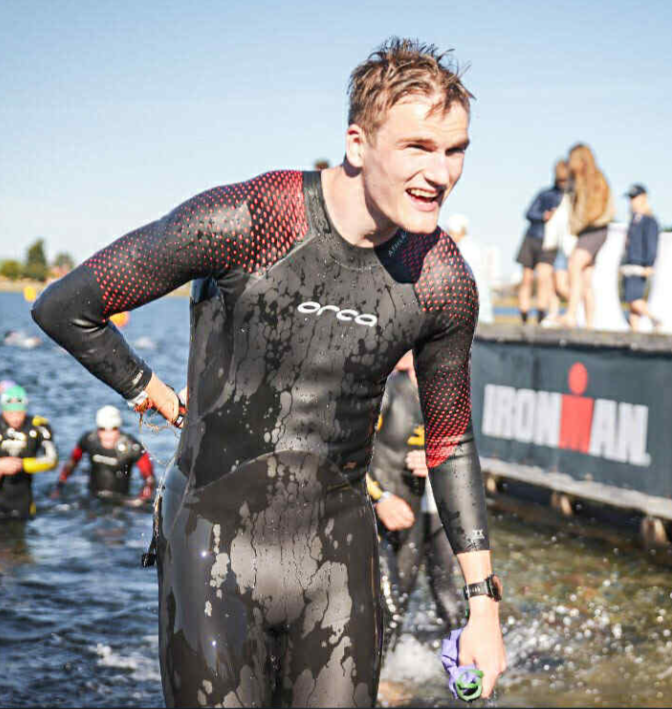
I entered the water with a blood sugar of around 16 mmol/l. The relatively high blood sugar level was intentional. I knew from experience, and lots of trial and error, that my blood sugar tends to drop quickly when swimming. Before the swim, I had 500 ml of a carbohydrate drink, two gels, and half an oat bar to avoid a low blood sugar level during the course. Coming out of the water, I headed into T1 (changing zone 1), put on my Tandem t:slim X2 insulin pump, and was ready for the bike course.
Bike – 180 km
I started the bike leg with confidence and lots of energy, but just 30 km into the ride, I faced my first big challenge. My Dexcom g7 sensor failed to connect with my pump. That meant I had no blood sugar readings for the entire 180 km bike leg and the marathon ahead.
The only blood sugar reading I had during the whole Ironman was the reading before the start of the swim. I had to rely fully on my fueling plan – aiming for 150 g of carbohydrates per hour, and adjust based on how my body felt, which can be an challenge when adrenaline is rushing through the body. After the race, my sensor and insulin pump reconnected, and I could read how my blood sugar values had been throughout the race.
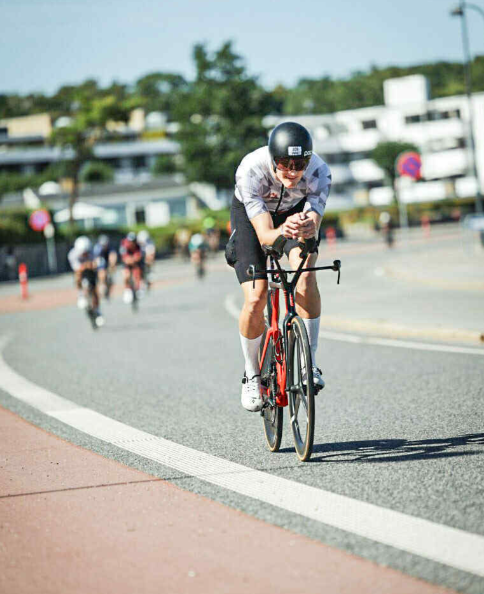
At around 140 km, I started to lose energy and felt the symptoms of a possible low blood sugar. I quickly consumed extra carbs to get through the final stretch. Even though the sensor failed to connect, I managed to complete the bike course at the time I had hoped for, though with fluctuating blood sugar levels. I felt ready to give everything I had left in the marathon.
Run – 42.2 km
I came off the bike at T2 with a feeling of having a good blood sugar level after having gone low during the bike leg. My blood sugar later showed to be 6.5 mmol/l, which told that the feeling I had was right. My legs felt strong, and I had plenty of energy at the start. But just 3 km into the run, stomach issues hit, making it difficult to consume and hold on to carbs and fluids.
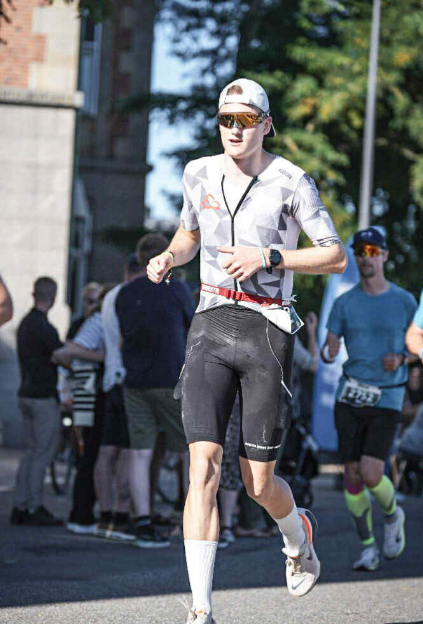
I had to reduce my carbohydrate intake from 100g, to around 60 g per hour, which made it hard to keep my blood sugar stable. After 34 km of running, with blood sugar levels fluctuating between 6 and 3 mmol/l, my body had nothing more to give, and I was forced to slow down and eventually walk. The last 8 km was a pure mental battle.
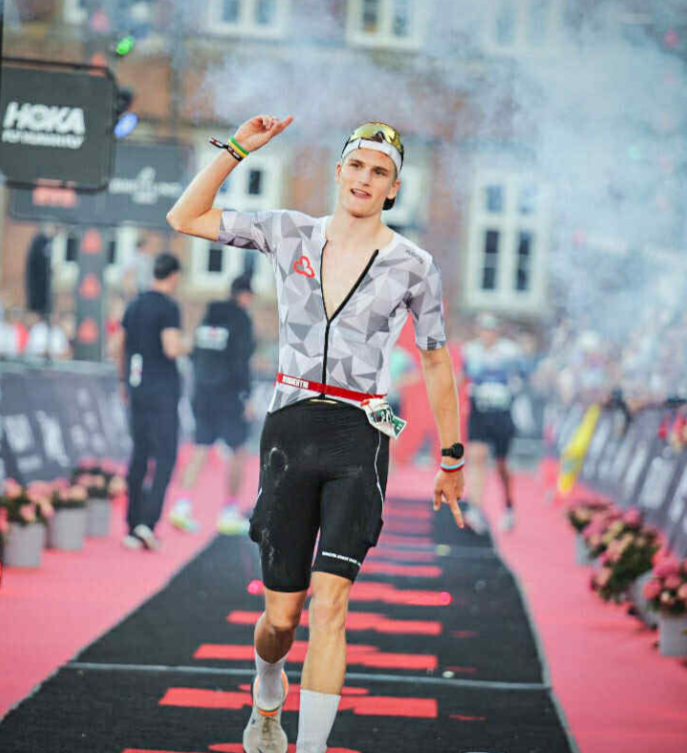
After 12:02:58 hours, it was finally my turn to cross the finish line. A year of training, preparation, and planning came together in that single moment. To hear the magical words:
“Mathias – you are an Ironman. Running with diabetes” is a feeling I will never forget.
Struggles and Successes
Completing an Ironman with diabetes is like fighting two battles at once. There is the obvious physical battle – against distance, fatigue, and pain. But then there is the invisible one: the constant challenge of keeping blood sugar levels in balance and analyzing and reacting to signals that others don’t have to think about.
The fear of misjudging energy demands and going low in the water, on the bike, or in the final kilometers of the run, was in the back of my mind all the time. Every decision about when to eat, drink, or adjust the original plan, requires focus, all while the body is already at its absolute limit, and that is a challenge to overcome.
But in those struggles also came victories. Every time my plan worked, every time I found balance, and every time I overcame a mental barrier, I grew stronger and more confidence in my diabetes. The finish line was a victory but so was proving to myself that I could take control over something that doesn’t always feel controllable.
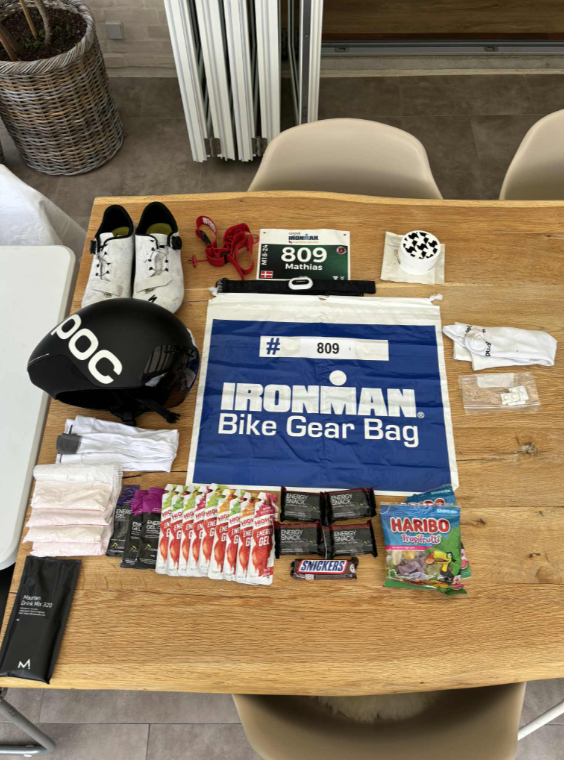
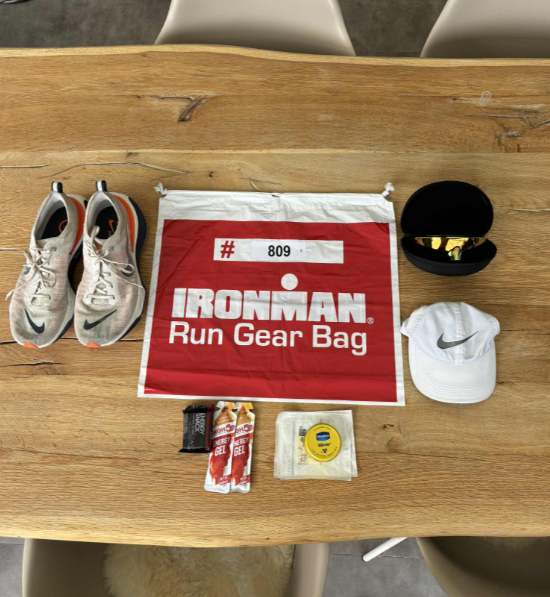
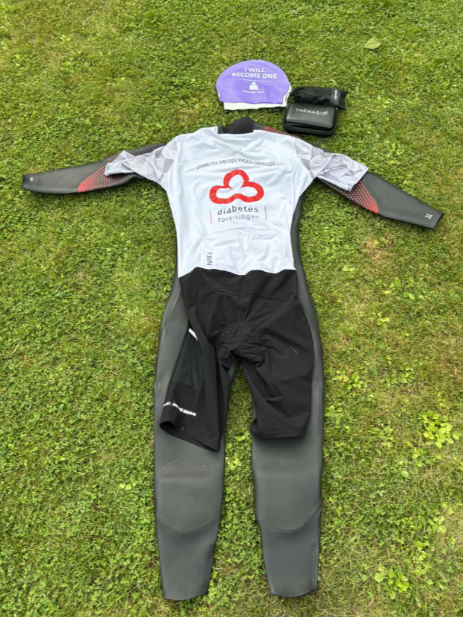
My experience of training for, and completing an ironman, showed me that having type 1 diabetes, doesn’t have to be a limiting factor when taking on new challenges. My experience is that having diabetes isn’t necessarily such a big deal when tackling challenges. As long as I put effort into getting to know my diabetes and how it behaves in different situations, new challenges and adventures isn’t that challenging. I didn’t stress much about my diabetes, even though many might say that there were many reasons to. I have experienced that If I trust myself and my knowledge about my own diabetes, I can take the challenges as they come, and then I always seem to find a solution.
This blog post might also be interesting - The Journey – Behind 226 Kilometers
About the Author
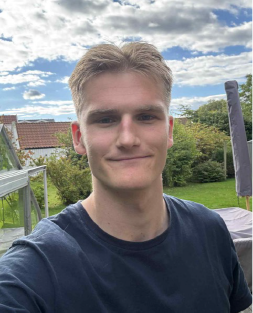
Written by Mathias, November 2025
Mathias was born in 2005 and diagnosed with type 1 diabetes at age 6. From a young age he has been passionate about staying active, especially through football – a passion that continues to this day. After finishing high school in 2024, he set out to explore what’s possible with T1D through physical challenges and global adventures. Having completed his first Ironman, Mathias continues to test his limits and inspire others to chase adventure – with diabetes in the backpack.
Adventure with T1D
Empowering Adventures: Thriving with Diabetes
"We believe that diabetes should not prevent you from experiencing the world to the fullest. From climbing mountain peaks to exploring the most remote areas, our community is here to fuel your passion with motivation and practical advice."
Find us here too
Follow along on YouTube and Instagram for more adventures, real moments, and practical tips for life with diabetes — outdoors and in everyday life.